What Gothic Horror Cinema Is
Gothic horror cinema is distinguished from other horror subgenres primarily by its emphasis on atmosphere, setting, and the weight of the past pressing down on the present. Where slasher horror is about immediate physical threat, gothic horror creates dread through environment — decaying architecture, oppressive family legacies, landscapes that seem alive with malevolence. The settings of gothic horror are characters in their own right: the house in Crimson Peak, the moors in Wuthering Heights adaptations, the castle in every Hammer production.
Hammer and the Gothic Tradition
Hammer Film Productions (1957-1979) produced the defining body of gothic horror cinema — lavishly designed, lushly photographed, and performed by a repertory company including Christopher Lee, Peter Cushing, and Peter Lorre. Their Dracula series, Frankenstein series, and standalone gothic productions like The Devil Rides Out created a template for gothic horror aesthetics that influenced everything from Tim Burton's work to modern gothic fashion. The production design — elaborate Victorian interiors, fog machines, Transylvanian exteriors — established the visual vocabulary that gothic culture still draws from.
Tim Burton's Gothic Revival
Tim Burton brought gothic aesthetics to mainstream cinema in the 1980s and 1990s with a consistency that no other mainstream director has matched. Beetlejuice (1988), Edward Scissorhands (1990), Batman Returns (1992), Sleepy Hollow (1999), and Corpse Bride (2005) all draw on the same visual language: stripped trees, snow or fog, Germanic architectural influence, and a palette of black, white, and deep red. Burton's gothic is more whimsical than horrifying, but it introduced a generation to the aesthetic.
Modern Gothic Horror
Guillermo del Toro is the contemporary master of gothic horror cinema. Pan's Labyrinth (2006) and Crimson Peak (2015) both demonstrate his ability to create genuinely horrifying spaces — the faun's labyrinth, the blood-red clay that bleeds through Allerdale Hall's walls — while locating the horror within larger romantic and mythological frameworks. The Haunting of Hill House (Netflix, 2018) applied the gothic aesthetic to prestige television with extraordinary success.
▶ Featured Creator: Chimera Costumes

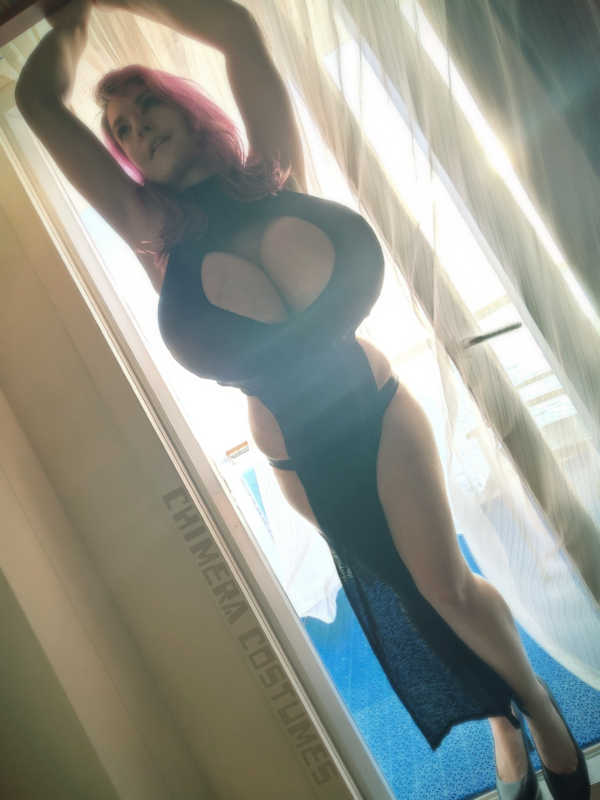

Looking to bring a horror or gothic character to life? Chimera Costumes documents her full construction process including dark character builds, gothic corsetry, and villain costumes across her free and paid platforms.
Frequently Asked Questions
Nosferatu, Dracula (1931), any Hammer Horror production, Crimson Peak, and Pan's Labyrinth are essential gothic horror cinema. For modern gothic, The Haunting of Hill House is the peak of the tradition.
Gothic horror emphasises atmosphere, setting, and ancestral dread over immediate physical threat. Decaying architecture, family curses, fog, and the weight of history are the defining elements.
gothic horror movies, gothic horror cinema, Hammer horror, gothic film guide, atmospheric horror